← Back to all articles5 Everyday Habits That Support Better Posture
Posture is something most of us only think about when something feels off. The good news is that supporting better posture doesn’t require dramatic change—just small, consistent habits.
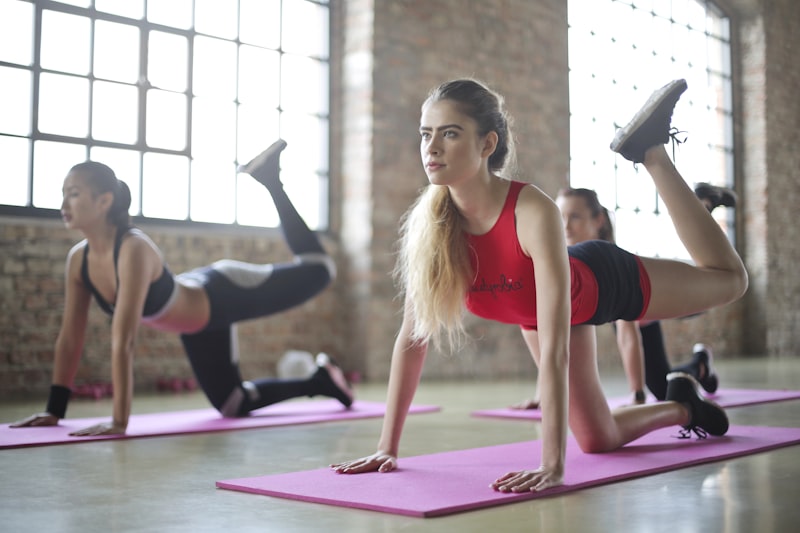
1. Set up your workspace thoughtfully. Position your screen near eye level and keep your feet comfortably supported. 2. Take movement breaks. Standing and gently moving every so often can help your body feel less stiff. 3. Be mindful of your phone. Try bringing the screen up toward you rather than dropping your head down. 4. Strengthen gently. Gentle, regular movement can support the muscles involved in everyday posture. 5. Rest well. A comfortable sleep setup supports how your body recovers overnight.
These habits are general wellness tips and are not a substitute for individualized advice. If you have specific concerns, we’d be glad to talk with you.
← Back to all articlesUnderstanding Physiotherapy and Its Role in Movement
Physiotherapy is a therapeutic approach focused on supporting physical mobility, movement, strength and function. It typically begins with an individualized assessment to understand your needs and goals.
From there, a physiotherapist may suggest a personalized approach that can include movement guidance and other therapeutic techniques. Because every person is different, physiotherapy is tailored rather than one-size-fits-all.
This article is for general information only. To learn whether physiotherapy might fit your needs, please reach out to our clinic.
← Back to all articlesMassage Therapy: Supporting Relaxation and Comfort
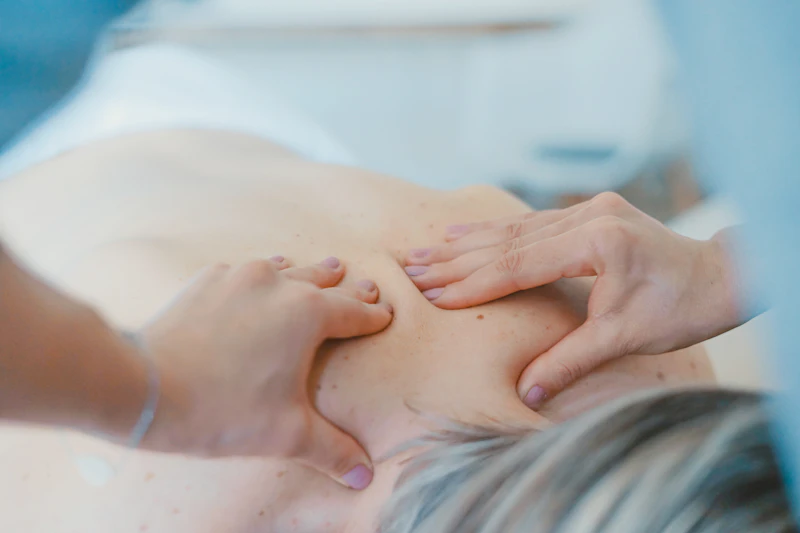
Massage therapy uses hands-on techniques to address muscle tension, encourage relaxation and support physical comfort and mobility. For many people, taking time for a massage is also a welcome moment of calm.
Sessions are shaped around individual comfort and needs. If you’re curious about what to expect, our team is happy to answer your questions.
← Back to all articlesAcupuncture: Understanding the Traditional Practice
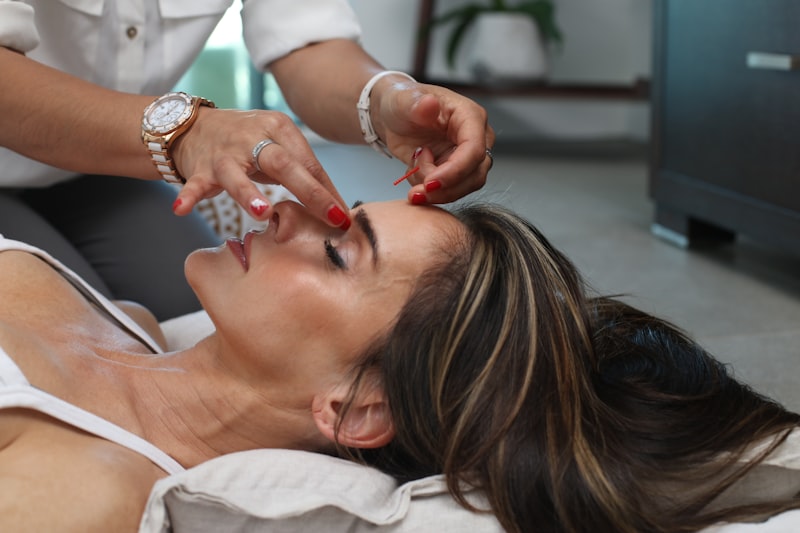
Acupuncture is a traditional therapeutic practice involving the placement of fine needles at specific points on the body. It has a long history and is often used as part of an individualized approach to well-being.
If you’re considering acupuncture, an individualized conversation can help you understand how it may fit within a broader wellness plan.
← Back to all articlesHow Orthotics May Support Everyday Foot Comfort
Orthotic solutions are designed to provide support and help address individual foot mechanics, alignment and comfort needs. Because feet are unique, orthotics are developed with your specific requirements in mind.
An assessment helps determine what kind of support may be appropriate. We’re glad to discuss your options.
← Back to all articlesSimple Stretching Habits for a More Active Lifestyle
Gentle stretching can be a pleasant way to start your morning or break up a long day. The key is to keep it comfortable—stretching should never feel painful.
Consider a few slow neck rolls, gentle shoulder circles, and easy reaches for the back and legs. Move within a range that feels good to you, and breathe steadily throughout.
These are general suggestions. If you have any health concerns, it’s a good idea to speak with a professional before starting new activities.